About me
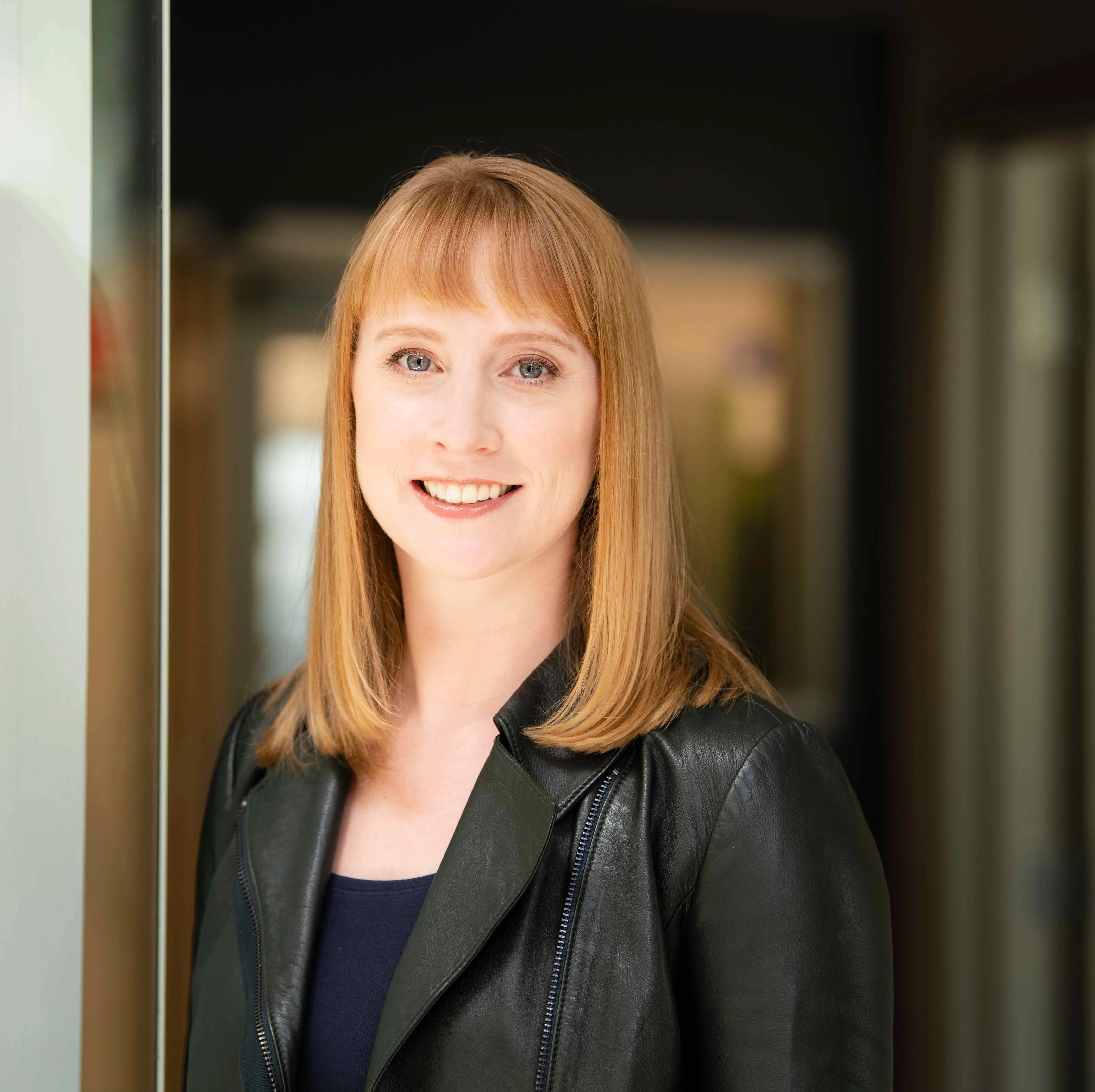
Jess Smith
I'm currently a consultant at Fulcrum Genomics. I spend my days developing software and deploying pipelines, but ultimately I like to think of it as building tools to interrogate molecules. I have a background in biophysics/physical chemistry, and what drew me to next-generation sequencing was that you could measure molecular behavior on a massively parallel scale. I've spent my career focused on generating accurate biological readouts from sequencing experiments and adjacent data. I came to the field as a generalist and have since worked across immuno-oncology, antibody discovery, molecular diagnostics, and core sequencing technology. I've picked up software engineering and cloud architecture along the way.
I care a lot about experimental design, whether that's exploratory research or a validation plan for a regulatory filing. Hypothesis-driven research, not post-hoc data mining, is what gets you the answers you actually want. What I'm most excited about is thinking about the scientific decisions on which successful outcomes hinge.
Deep thoughts
"What if we found you a nice, old-fashioned hypothesis?"
"An hour in the library saves a week in the lab."
A sampling of my domain experience
-
The hits: core NGS assays
Bulk RNA-seq: from drug-response profiling (DRUG-seq) to downstream machine learning
Somatic variant calling and neoantigen discovery from matched tumor/normal exomes
Copy-number variant (CNV) calling and zygosity inference
Low-pass / skim sequencing for genotyping + imputation
-
Deep cuts: less common assays
cfMeDiP, ATAC-seq, UDiTaS, immune repertoire sequencing, de novo plasmid assembly, HLA typing
-
Designing molecules
I've helped design the reagents that make sequencing work, including indexes, primers, probes, and gene libraries. A favorite: thermodynamically informed unique dual index (UDI) sets, designed to minimize cross-talk. I like pairing conventional approaches with novel tools to get something that holds up at the bench.
-
Beyond NGS
The stuff that doesn't fit a neat box: long reads (PacBio for structural-variant calling, plus developing ONT reagents), tandem MS for proteomics, and algorithmic improvements for qPCR Ct calling.
How I work
-
Custom Python tools, built right
When the tool I need doesn't exist yet, I build it from scratch in modern Python. Increasingly, I build tools to last: typed, unit-tested, packaged, and documented, not a throwaway script. AI agents can usually handle the boilerplate required to build polished software, so my attention goes where it matters most: the scientific decisions.
-
Scalable, reproducible analysis
I've deployed pipelines on every major commercial bioinformatics platform, and built custom solutions when none of them fit. Every org has different constraints (cost, scale, compliance), and the right answer depends on knowing both the landscape and how to implement thoughtfully using best practices.
-
Assay development
I love working closely with bench scientists to develop and validate NGS assays. Sequencing analysis is more meaningful when it's connected to the assay and the biology behind it. I've built pipelines that incorporate qPCR, LC-MS, liquid handling automation, TapeStation, and more. I'm well-versed in the Benchling API and various other "LIMSes," and I've designed verification and validation studies for regulatory submissions.
-
People & scientific leadership
I've built and led bioinformatics functions, starting as a department of one, mentoring analysts and embedding data analysis across lab teams. I have experience developing products under various frameworks, and I've come to believe that the system itself matters less than having clear goals and genuine buy-in from your team.
What I reach for
-
Python
pydantic/pandera, pandas/polars, scikit-learn, seaborn, biopython, pysam, boto3, with uv, pixi, conda, copier/cookiecutter, ruff, mypy, pytest, and poethepoet keeping it pinned, typed, linted, and tested.
-
Bioinformatics
fastqc, fastp, cutadapt, bwa, samtools, picard, bedtools, fgbio, multiqc, all the hits
-
Workflow
DSLs: Nextflow, WDL, Snakemake, Airflow
Platforms: Latch, Manifold, DNAnexus, Seqera
-
Cloud & other
AWS, HealthOmics, Batch, Terraform, Docker, Claude
AWS Certified Cloud Practitioner
Education
-
PhD in Physical Chemistry
University of California, Berkeley, 2014
Dissertation: "Anisotropies in discrete DNA-assembled plasmonic nanostructures"
-
BS in Chemistry
University of Washington, 2008
with College Honors